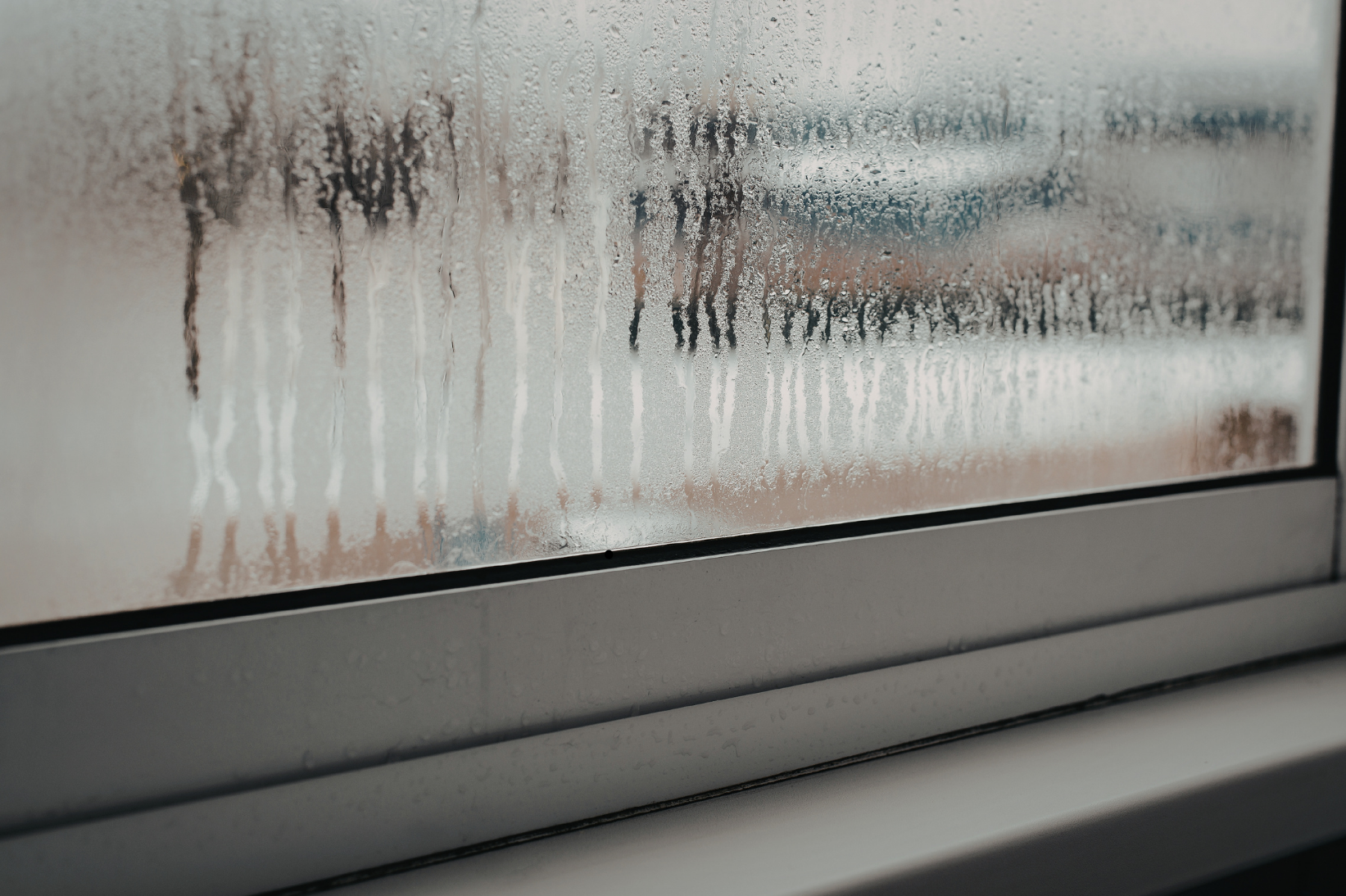
You might have noticed a foggy, hazy, or misty film trapped inside your windows. You tried to remove it, but it won’t wipe away from either side. If that’s the case, you’re likely dealing with condensation between window panes.
It’s one of the more frustrating window problems homeowners encounter. This is a clear sign that something has gone wrong inside a sealed unit. And the worst part is that you can’t easily reach it.
This guide walks you through why it happens, where the moisture is actually forming, and your real options for fixing it.
Common Causes of Condensation Between Window Panes
Modern double and triple-pane windows are built with sealed glass units. These units contain an insulating air or gas layer (often argon) between panes. When that seal fails, moisture starts forming between the window panes.
Here are the most common reasons.
Seal Failure From Age and Daily Temperature Swings
The number one cause of condensation inside window panes is seal failure.
Over time, windows expand and contract with temperature changes. Hot summers and freezing winters cause materials to shift slightly. After years of daily movement, the perimeter seal can weaken or crack.
Once the seal breaks:
- Insulating gas escapes.
- Humid air enters.
- Moisture condenses between panes when temperatures fluctuate.
If your home has older double-pane windows (15+ years old), seal failure is often the culprit behind condensation between window panes.
Installation Issues That Can Stress the Seal Over Time
Even high-quality windows can develop problems if they weren’t installed properly.
Improper installation can:
- Put uneven pressure on the frame.
- Cause slight twisting or racking.
- Lead to premature seal breakdown.
When a window isn’t level or square, stress builds along the edges of the insulated glass. Over time, that stress can compromise the seal and allow moisture between the window panes to form.
Frame or Sash Issues
Sometimes the issue isn’t just the glass. It’s also the surrounding structure.
Warped frames, rotting wood, or deteriorating vinyl can shift the glass unit slightly out of position. When that happens, seals can weaken and eventually fail.
Homes in areas with high humidity or frequent freeze-thaw cycles may be more prone to frame-related stress.
Manufacturing Defects and Warranty Situations
Although less common, condensation between window panes can sometimes result from manufacturing defects.
This might include:
- Incomplete sealing during production.
- Faulty spacer systems.
- Improper gas filling.
If your windows are relatively new and already showing condensation inside the window panes, check your warranty. Many manufacturers cover insulated glass seal failure for a set number of years.
DeterminingWhereWindow Condensation is Forming
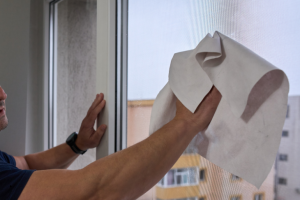
Before assuming the worst, it’s worth confirming exactly where the moisture is. Condensation on windows is normal in certain conditions, but it matters a great deal which surface it’s on.
Inside vs Outside vs Between the Panes
Understanding the difference can save you unnecessary repair costs.
Condensation on the Inside of Windows
Fogging on the interior glass surface facing into your room is the most common type and generally the least concerning.
It forms when warm, humid indoor air comes into contact with a cold glass surface. You’ll often see this in bathrooms after a shower, in kitchens while cooking, or on cold winter mornings in rooms with poor ventilation.
It wipes off easily with a cloth and is more of a humidity management issue than a window problem. Running exhaust fans, using a dehumidifier, or improving air circulation usually resolves it.
Condensation on the Outside of Double Glazing Windows
Condensation on the exterior surface of the glass is actually a sign that your windows are working well.
It means the glass is staying cool enough because the IGU is insulating effectively, and outdoor humidity condenses on it before the sun burns it off. You’ll typically see this on cool, clear mornings. It disappears as the day warms up and requires no action on your part.
Condensation Between Window Panes
Condensation between window panes is one type of problem indicator. When you see fog, streaks, or moisture trapped inside the glass that you cannot wipe from either side, the IGU seal has failed.
The space between the panes, which should be sealed, dry, and inert, is now exposed to ambient air and its moisture content. This won’t resolve on its own, and in most cases will gradually worsen as more moisture infiltrates the cavity.
What You Can Do About Condensation Between Window Panes
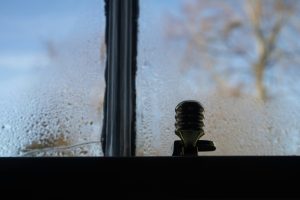
Once you confirm condensation is inside your window panes, the next step is deciding how to address it.
Step 1: Confirm It’s Between the Panes
Before assuming replacement is necessary:
- Try cleaning both interior and exterior surfaces.
- Observe the fogging during temperature changes.
- Look for water droplets trapped inside the glass unit.
If the haze remains regardless of cleaning, you’re likely dealing with moisture between window panes.
Step 2: Check Warranty and Window Age Before Paying for Repairs
Before spending money, determine:
- When the windows were installed.
- Whether they are still under warranty.
- If seal failure is covered.
Many manufacturers offer 10 to 20-year warranties on insulated glass. If your windows are within that timeframe, you may qualify for partial or full coverage.
Step 3: Decide Between IGU Replacement vs. Full Window Replacement
If your windows are out of warranty, you have two main paths forward. IGU replacement, which is swapping just the glass unit while keeping the existing frame, is the less expensive option. This works well when the frame is in good condition.
Full window replacement costs more upfront but makes sense when the frame is damaged, the windows are aging, or you want to upgrade performance and start fresh with a new warranty.
You may also come across “defogging” services that drill small holes into the unit to clear the haze. This is a cosmetic fix only. It doesn’t restore the seal or the insulating gas, so the window’s thermal performance stays compromised.
Importance of Fixing Condensation Between Window Panes
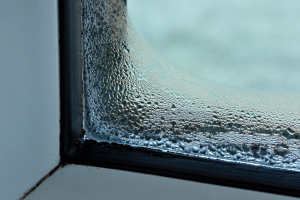
It’s tempting to put off dealing with windows fogging between panes, especially when it seems minor. But a failed IGU seal means the insulating gas has been replaced by regular air. This reduces thermal efficiency and drives up heating and cooling costs.
Over time, moisture cycling through the cavity can leave permanent haze or mineral staining. In wood-framed windows, it can accelerate rot in the sash and surrounding trim.
Addressing the issue sooner is almost always the more cost-effective choice. Whether that means a warranty claim, IGU replacement, or full window replacement depends on your situation. But doing nothing rarely saves money in the long run.
If you’re unsure where to start, a professional window installation company can quickly point you in the right direction.